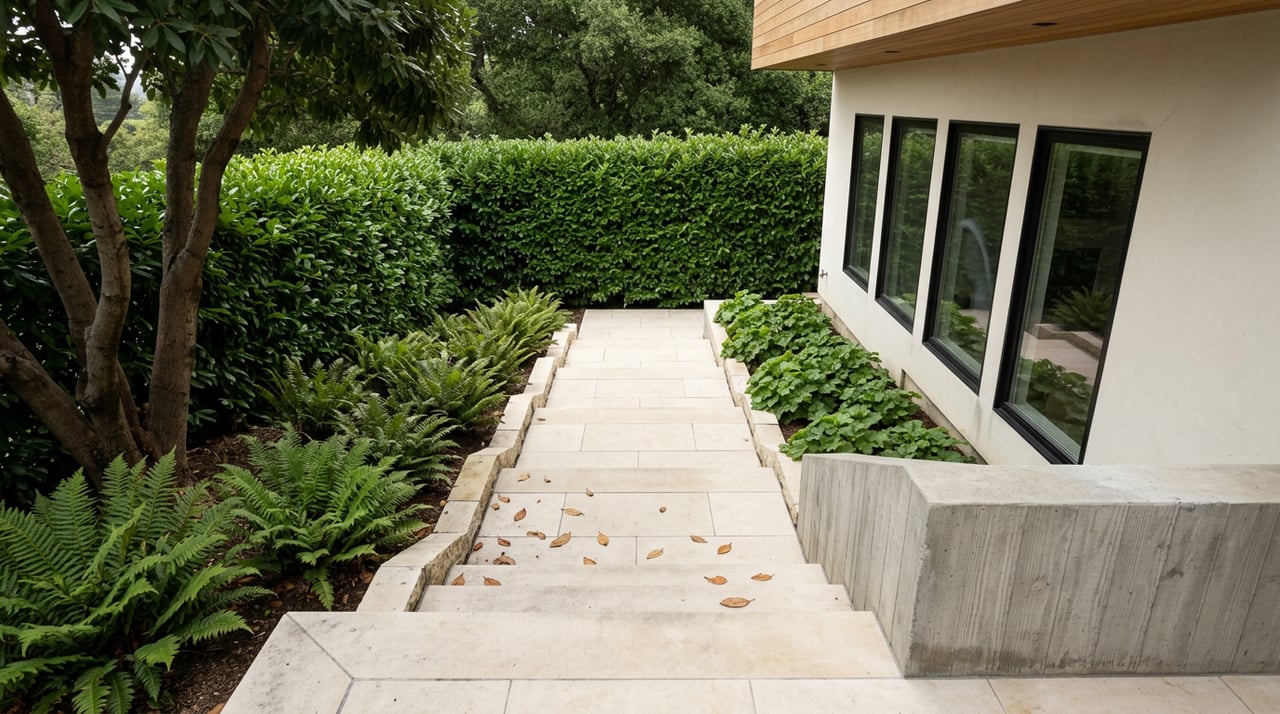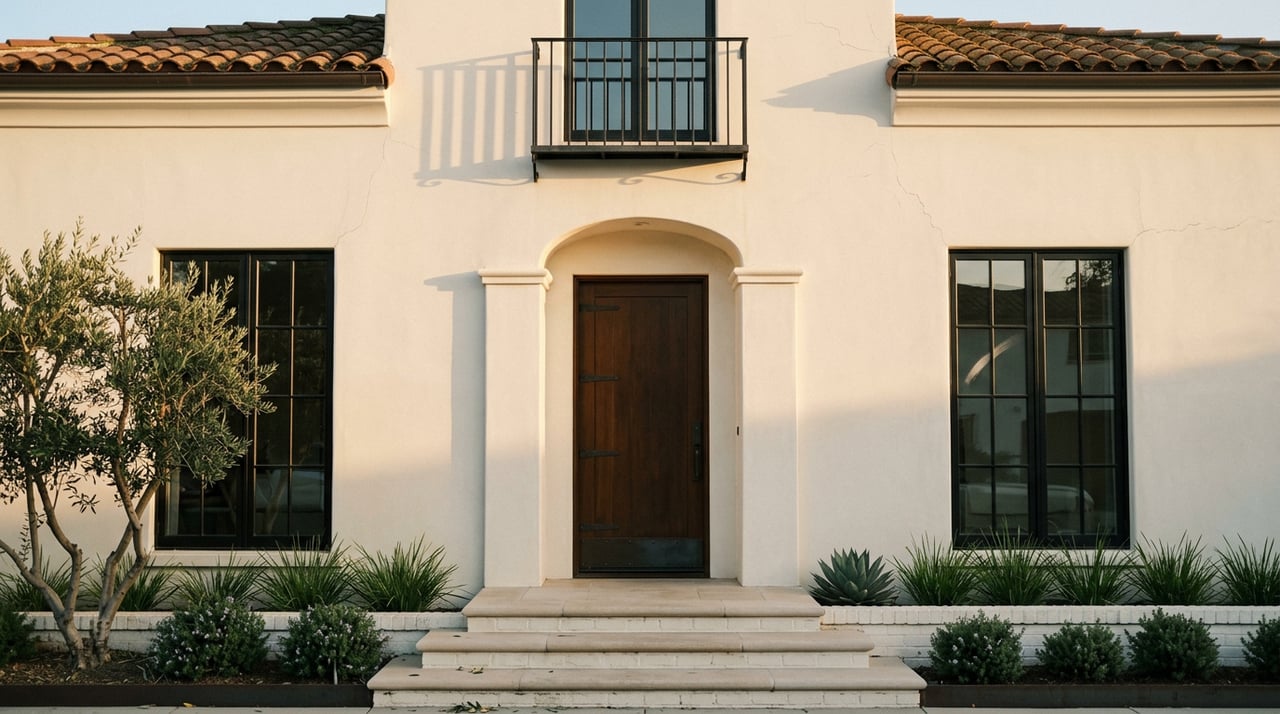
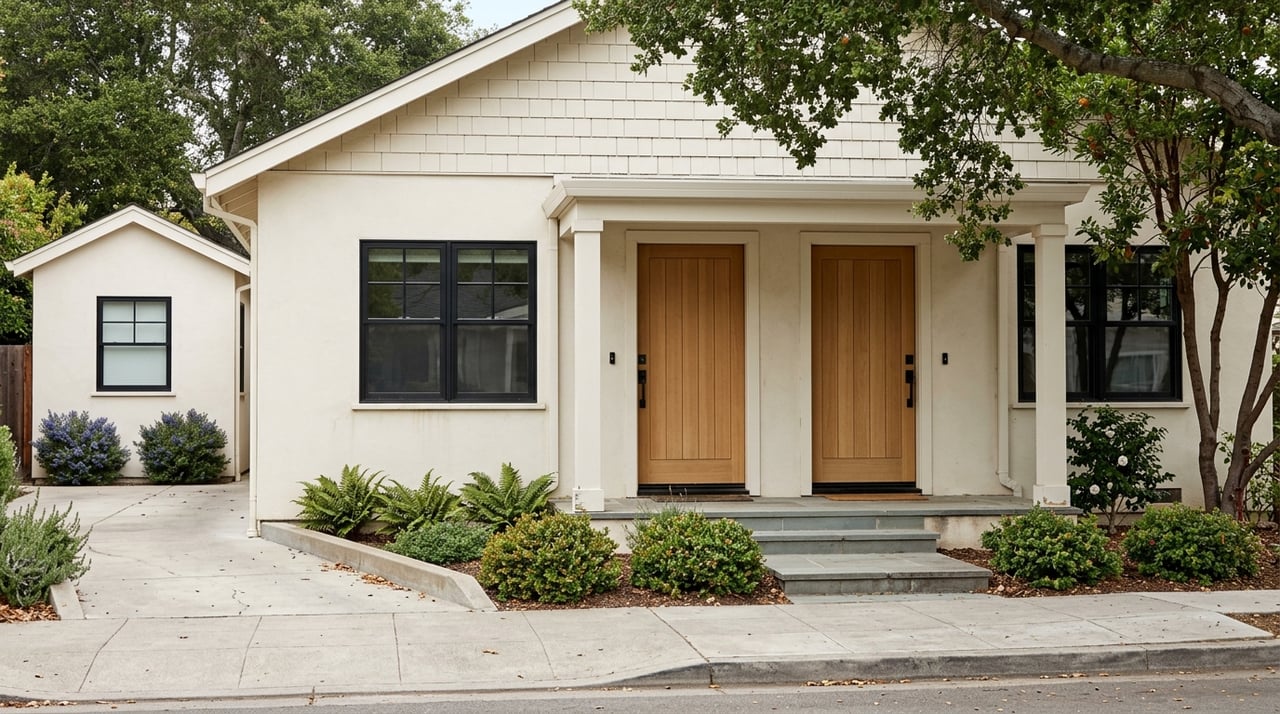
If you are looking for a Marin investment property, San Rafael often lands in the sweet spot between access, flexibility, and long-term upside. It is not the kind of market most buyers choose for big immediate cash flow, and that is exactly why it deserves a closer look. If your goal is to build equity, add value through property improvements, or create income over time with a duplex or ADU strategy, San Rafael offers a more nuanced opportunity. Let’s dive in.
Why San Rafael Stands Out
San Rafael occupies a useful middle ground in Marin County. It sits below the countywide typical home value, but it still carries the pricing profile of a high-value Marin market rather than a pure income market.
Current Zillow data puts San Rafael’s typical home value at $1,319,431, compared with $1,469,866 for Marin County. Average rent is $3,052 in San Rafael versus $3,634 countywide. That pricing gap can make San Rafael more approachable than some other Marin locations while still offering the long-term appeal many Marin buyers are after.
The city’s housing mix also matters. As of September 2019, San Rafael had 23,906 total housing units, including 11,280 detached single-family homes, 2,051 attached single-family homes, 887 small multifamily units with 2 to 4 units, and 9,238 multifamily units with 5 or more units.
That mix gives you more pathways than you might find in other Marin markets. Instead of limiting your search to single-family homes, you can realistically evaluate duplexes, small multifamily properties, existing ADUs, or homes with ADU potential.
San Rafael Is Not a Cash-Flow-First Market
If you are underwriting San Rafael like a high-yield North Bay rental market, the numbers may feel tight. Based on current home value and rent figures, San Rafael’s gross rent-to-value proxy is about 2.8%.
That compares with 3.0% for Marin County, 4.1% for Novato, 3.6% for Petaluma, 4.2% for Santa Rosa, and 4.8% for Vallejo. In plain terms, San Rafael tends to trade more like a lower-yield, higher-equity asset.
This is one of the most important mindset shifts for buyers. In San Rafael, the investment story is usually less about maximizing monthly spread on day one and more about preserving capital, improving the property, and creating additional income streams over time.
That framing becomes even clearer when you compare San Rafael with Novato. San Rafael’s gross rent-to-value proxy is about 67% as high, even though its home value is roughly 22% higher. For many buyers, that points to a market where appreciation potential and Marin location carry more weight than immediate cash flow.
What Long-Term Value Can Look Like
Long-term value in San Rafael often comes from a combination of factors rather than a single metric. You may be buying into Marin at a lower price point than the county average, while also gaining the possibility of adding rentable space or improving a property’s function.
Zillow reports San Rafael at a modest -0.1% year-over-year value change, with a median 22 days to pending. That does not suggest a distressed or deeply discounted environment. It suggests a market where buyers still need to be deliberate and realistic.
For investors and owner-occupants alike, this creates a different kind of opportunity. If you can find a duplex with underutilized space, a single-family home with ADU potential, or a property with an unpermitted unit that may be eligible for legalization, you may be able to improve income and usability without relying on aggressive market appreciation alone.
Duplexes in San Rafael: Why They Matter
Duplexes can be especially attractive in San Rafael because they offer flexibility. Depending on the property and your goals, a duplex can support full rental income, partial owner occupancy, or a longer-term hold strategy with room to reposition later.
That flexibility matters in a market with a meaningful renter base. Census QuickFacts lists San Rafael’s owner-occupied housing rate at 51.8%, which points to a relatively balanced owner-renter mix.
For some buyers, a duplex is the cleanest entry into Marin investing. You may offset ownership costs with one unit while living in the other, or hold both units as rentals while keeping a close eye on local and state tenant rules.
The details are important, though. In San Rafael, tenant regulation is not just a statewide issue. It also has local rules that can affect how certain properties are managed.
ADUs Can Change the Math
Accessory dwelling units are one of the strongest reasons investors keep San Rafael on their shortlist. The city’s ADU framework gives buyers multiple ways to add living space and, in some cases, future rental income.
According to the City of San Rafael, attached ADUs are allowed up to 1,000 square feet or 50% of the primary dwelling, with 800 square feet always allowed. Detached ADUs are allowed up to 1,000 square feet, internal conversion ADUs have no maximum size, and junior ADUs can be up to 500 square feet.
Several practical standards also help. Side and rear setbacks are generally 4 feet, parking is waived in several situations including transit-proximate sites and conversions, and fire sprinklers cannot be required in the ADU if they are not required in the primary dwelling.
For a buyer evaluating future upside, those rules matter because they can reduce friction. A property that looks average at first glance may become much more compelling once you assess what can legally be added or converted.
Pre-Approved Plans and Fee Relief
San Rafael also offers features that can make ADU planning more workable. The city says permit fees for ADUs and JADUs are charged through the building permit process, but several fees are waived for ADU builds under 750 square feet.
That can make smaller-format units especially interesting from a cost perspective. If your strategy is to create supplemental rental income or flexible living space rather than build the largest possible unit, that fee relief may improve the project economics.
The city also offers pre-approved ADU plans. For buyers who want a more predictable path from concept to construction, that can be a meaningful advantage.
Legalizing Existing Unpermitted Units
Some San Rafael properties may include unpermitted ADUs or JADUs. The City of San Rafael says these can be legalized through the normal permit path if code and safety requirements are met.
That does not mean every unpermitted space will qualify, and buyers should evaluate each property carefully. Still, the existence of a city pathway matters because it opens the door to turning informal space into lawful, more usable square footage.
From an investment standpoint, that can be a major lever. A property with an existing secondary unit may offer value beyond what appears in the listing description, provided the space can be brought into compliance.
Multifamily ADU Rules Need Careful Review
If you are looking at an existing multifamily property, it is worth paying close attention to current state standards. San Rafael’s city page notes that state law supersedes older local ADU standards where there is a conflict.
The city states that multifamily conversions may reach 25% of the existing unit count and detached ADUs are capped at two. However, the California HCD handbook referenced by the city notes that 2025 state law authorizes up to eight detached ADUs on a lot with an existing multifamily dwelling, so the newer state standard controls if local language is narrower.
This is exactly where careful property analysis matters. A small multifamily building may have more ADU upside than a quick reading of older local language suggests.
Tenant Rules to Understand Before You Buy
San Rafael has a Cause for Eviction Ordinance that applies to properties with at least three dwelling units. The city is explicit that this ordinance is not rent control.
That distinction is important. The local rule addresses eviction process and tenant protections, not rent ceilings.
At the state level, the California Department of Justice says the Tenant Protection Act caps most annual rent increases at 5% plus CPI, with a 10% ceiling, and requires just cause after 12 months for most residential tenancies. The DOJ also notes exemptions, including a two-unit property where the owner lives in one unit during the entire tenancy, along with certain newer buildings.
For duplex buyers, that owner-occupied two-unit exemption can be especially relevant. It is one more reason duplexes in San Rafael deserve a separate analysis from larger rental properties.
Why 1031 Buyers Look at San Rafael
San Rafael can also make sense for exchange buyers who want to stay in Marin County. If your priority is tax deferral, equity preservation, and a stable long-term hold, the city may fit better than a higher-yield but less Marin-centric alternative.
The IRS says that for a 1031 exchange, the property must be real property held for investment or productive use in a trade or business, not a primary residence. In a deferred exchange, replacement property must be identified within 45 days and received within 180 days, typically through a qualified intermediary.
In practice, San Rafael can work well for buyers who want to trade some immediate yield for location, flexibility, and a clearer long-term value story. That is often the right lens for Marin investing.
What to Look for in San Rafael
If you are considering San Rafael for investment, focus on properties with clear paths to added utility and income. In many cases, the right opportunity is not the one with the strongest current rent. It is the one with the best combination of usability, compliance potential, and long-term appeal.
A few features are worth prioritizing:
- Duplex or 2 to 4 unit configuration
- Existing ADU or JADU
- Garage, basement, or interior conversion potential
- Lot layout that may support a detached ADU
- Underused space that may be legalizable
- Owner-occupancy flexibility
- Realistic renovation scope and permit pathway
This kind of screening can help you separate a merely expensive property from one with a real value-add angle.
A Smarter Way to View San Rafael
San Rafael is best understood as a long-term value market. You are generally not buying here for outsized immediate cash flow. You are buying for Marin location, a broader housing mix, meaningful ADU flexibility, and the chance to improve a property over time.
For many buyers, that is a compelling combination. A duplex, a home with ADU potential, or a multifamily property with expansion options can create a more resilient investment story than a simple rent-versus-price snapshot suggests.
If you are weighing San Rafael against other North Bay options, the real question is not just how much rent a property produces today. It is whether the property gives you room to create more value tomorrow.
If you want help evaluating duplexes, ADU opportunities, or long-term investment plays in Marin, Matt Knight can help you assess the property, the rules, and the real upside with a clear local perspective.
FAQs
Is San Rafael a good market for cash-flow investors?
- San Rafael is usually better viewed as a long-term value and equity market than a pure cash-flow market, with a gross rent-to-value proxy of about 2.8% based on current Zillow figures.
Are duplexes in San Rafael attractive for owner-occupants?
- Yes, duplexes can offer flexibility for living in one unit and renting the other, and that setup may also matter when reviewing certain state tenant protection exemptions.
What ADU sizes are allowed in San Rafael?
- The City of San Rafael allows attached ADUs up to 1,000 square feet or 50% of the primary dwelling, detached ADUs up to 1,000 square feet, internal conversion ADUs with no maximum size, and JADUs up to 500 square feet.
Does San Rafael have rent control for investment properties?
- The city says its Cause for Eviction Ordinance is not rent control, though state tenant protection rules may still apply depending on the property.
Can you legalize an unpermitted ADU in San Rafael?
- The City of San Rafael says unpermitted ADUs and JADUs can be legalized through the normal permit path if they meet applicable code and safety requirements.
Is San Rafael a useful 1031 exchange target in Marin?
- Yes, San Rafael can appeal to exchange buyers who want a Marin County replacement property with long-term value potential, ADU flexibility, and equity preservation in mind.