Making an Offer on a Home with Leased Solar Panels: What Buyers and Sellers Need to Know
As solar energy becomes more popular, more homes on the market come with solar panels already installed. Sometimes that’s a selling point. Sometimes it’s a math problem. And sometimes it’s both.
While some homeowners purchase their solar systems outright, many opt for leasing arrangements. For buyers, leased solar panels add an extra layer of complexity to the home-buying process. For sellers, a poorly handled offer can quietly derail an otherwise solid offer. No one wants a deal to fall apart over equipment bolted to the roof.
Here’s what you need to know about making an offer on a home with leased solar panels—what to look for, how to structure the deal, and strategic considerations for both buyers and sellers.
Understanding Leased Solar Panels
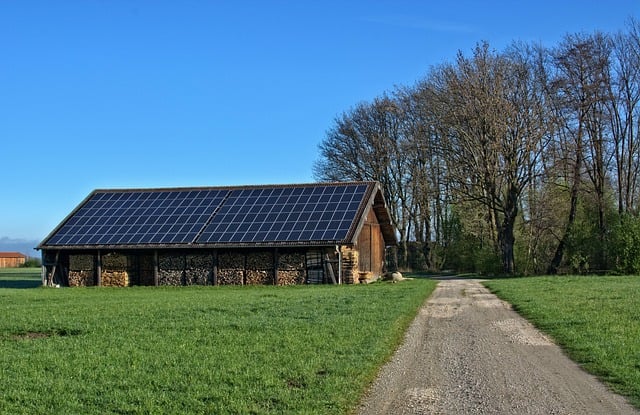
Leased solar panels are typically installed and maintained by a solar provider, with the homeowner making monthly payments over a long-term lease—often 15 to 25 years.
The solar company may also offer a Power Purchase Agreement (PPA), where the homeowner doesn’t lease the equipment but agrees to buy the electricity the system produces at a set rate.
When a home with leased panels is sold, the buyer usually has three options—none of which should be decided without reading the fine print:
- Assume the lease (subject to the solar company’s approval),
- Negotiate a buyout of the lease, or
- Request the seller to buy out the lease before closing.
Each option has financial, contractual, and practical consequences—and not all solar companies make these transitions easy.
What Buyers Should Consider
1. Lease Terms and Transferability
Before you fall in love with the kitchen, ask for the solar paperwork.
- Request the solar lease or PPA early.
- Review the monthly payment, remaining term, and any annual escalator (a polite term for “it gets more expensive every year”).
- Confirm the lease is transferable—and whether you’ll need to qualify financially with the solar provider to assume it. (Yes, another approval process.)
2. Impact on Home Value and Utility Costs
Solar should save money, not just sound virtuous.
- Compare projected savings to local utility rates.
- Determine whether the panels actually add value—or merely offset electric bills.
- Remember: leased panels typically don’t appraise as an owned asset.
3. Potential Risks
This is where solar can quietly complicate things.
- Some lenders treat a solar lease as a recurring financial obligation, which can affect loan approval.
- Appraisers may assign no value to leased panels.
- Maintenance and service obligations vary—don’t assume “the solar company handles everything” unless the contract says so.
4. HOA and Insurance Implications
Because there’s always another layer.
- Confirm the HOA (if applicable) permits leased solar systems.
- Check with your insurer to ensure the panels are covered—and who’s responsible if something goes wrong.
How to Craft the Offer
✅ Include a Solar Lease Contingency
- Build in time to review the lease and obtain lender and solar company approval.
- Specify who pays transfer fees or covers required repairs.
✅ Negotiate the Lease—Not Just the Price
- If assuming the lease feels risky, request the seller buy it out before closing.
- Require documentation confirming the system is owned free and clear.
✅ Request Utility Bill History
- Ask for 12–24 months of utility bills to confirm the panels actually reduce costs—and by how much.
Strategy Considerations for Buyers
- Do your homework. Some buyers avoid leased solar entirely. If you’re comfortable with it, you may face less competition—and gain leverage.
- Use the lease terms to negotiate. High escalators or minimal savings can justify a lower offer or seller concessions.
- Loop in your team early. Your lender needs to understand the lease structure, and your agent should know how to position the offer clearly and defensibly.
Guidance for Sellers
If you’re selling a home with leased solar panels, preparation matters.
✅ Be Transparent from the Start
- Disclose the lease or PPA early—ideally in the MLS and disclosures.
- Highlight real benefits: reduced utility bills, included maintenance, environmental upside.
✅ Prepare for the Transfer
- Contact your solar provider early to understand the approval process and timeline.
- Be ready to assist the buyer with qualification requirements.
✅ Consider a Buyout
- If the lease has high payments or little time left, buying it out before listing may increase buyer interest—and reduce friction.
✅ Work with an Experienced Agent
- A knowledgeable agent can position the solar system effectively and defuse objections before they derail negotiations.
Final Thoughts
Leased solar panels don’t have to be a deal-breaker—but they do require a more careful, informed approach. Buyers should treat the solar lease as part of the home’s financial picture and protect themselves with clear contingencies. Sellers, meanwhile, can smooth the process by being proactive, transparent, and flexible when needed.
Whether you’re buying or selling, navigating a home transaction with leased solar panels is all about understanding the details, communicating clearly, and aligning expectations early. With the right strategy, it can be a win for both sides—and for the environment.