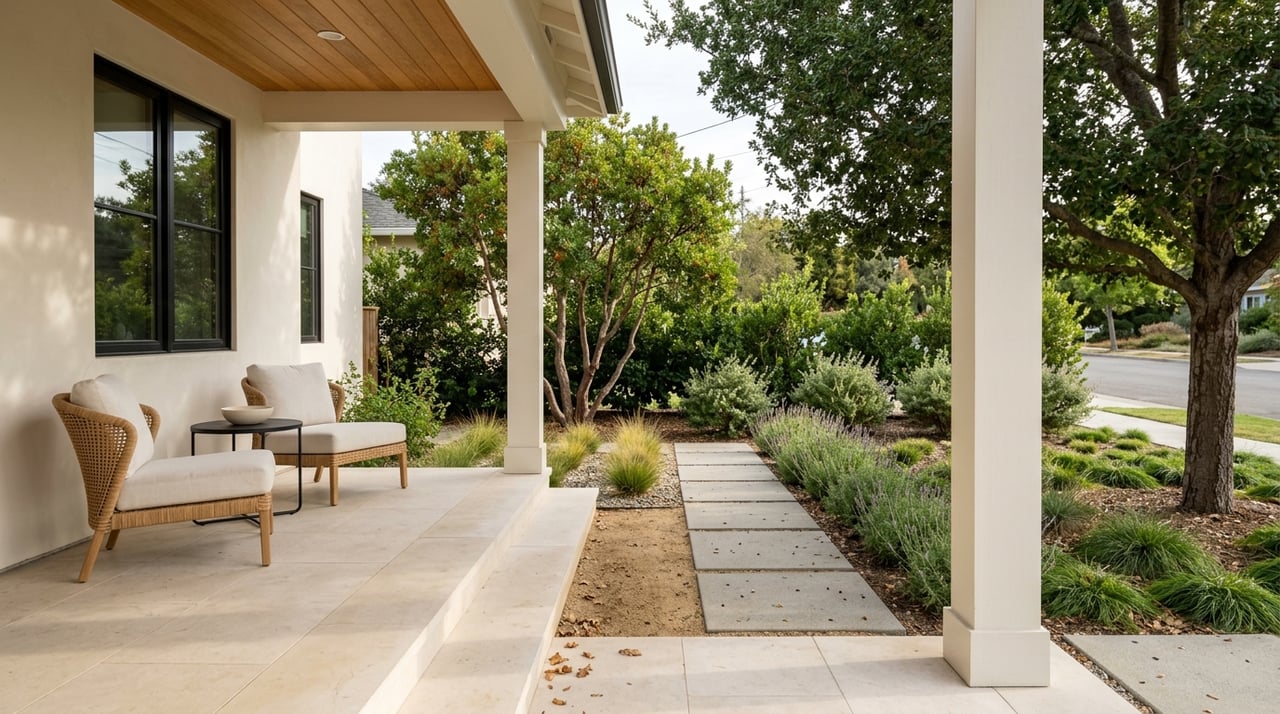
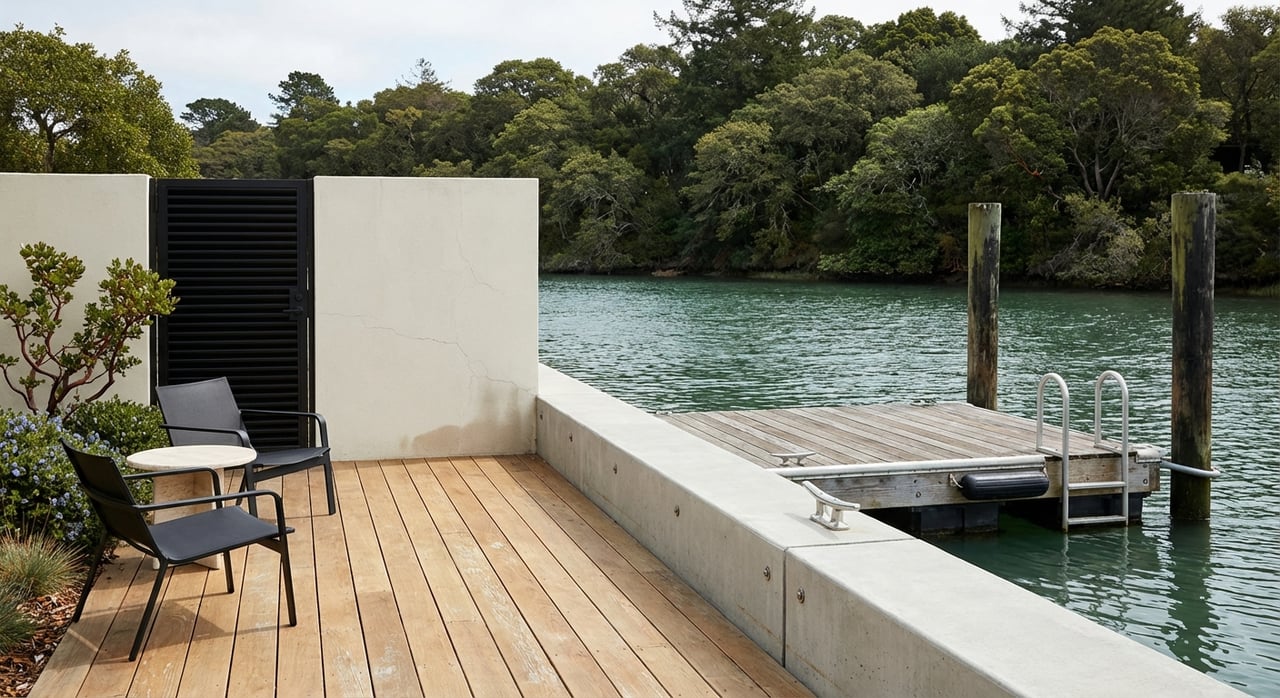
Picture this: morning light on the Bay, a cup of coffee on your deck, and your boat just steps away. Buying waterfront in Tiburon or Belvedere delivers an unmatched lifestyle, but it also comes with unique rules, permits, and long‑term planning that can affect what you can build, how you use the water, and your total cost of ownership. If you get clear on permits, moorings, flood exposure, insurance, and title items early, you can protect both daily enjoyment and resale value. This guide gives you the essentials and a practical checklist so you can move forward with confidence. Let’s dive in.
Why Tiburon waterfront is different
Waterfront in Tiburon and adjacent Belvedere sits on San Francisco Bay, which is regulated by local, state, and federal agencies. Shoreline work and any in‑water structure usually require approvals that go beyond a standard residential remodel. You will also see active environmental management in Richardson Bay, which influences moorings and anchoring. Knowing the landscape upfront helps you set realistic timelines and avoid surprises.
Permits for docks and shoreline work
Even small projects like repairing a float or replacing pilings often need permits. Start with local planning and building, then expect coordination with Bay and federal reviewers.
BCDC oversight
The San Francisco Bay Conservation and Development Commission (BCDC) regulates development in the Bay and within a 100‑foot shoreline band under the Bay Plan. Private piers, floats, and most shoreline changes typically require BCDC review. You can explore policy context in the San Francisco Bay Plan and see examples of local projects in the BCDC permit tracker.
USACE and state reviews
The U.S. Army Corps of Engineers (USACE) often requires a Section 10 or Section 404 permit for docks, pilings, dredging, or any work that affects navigable waters. The Corps may use Nationwide, Regional, or Individual permits depending on impacts. Learn what to expect from the USACE permitting guidance.
State agencies can also be involved. The Regional Water Quality Control Board handles 401 Water Quality Certifications, and the California State Lands Commission oversees sovereign tidelands and leases for structures seaward of the mean high tide line. If your plans touch the water or Bay bottom, assume multiple reviews.
What this means for you
- Verify past approvals. Ask the seller for prior BCDC and USACE permit numbers and conditions, then confirm what was permitted and when.
- Expect reviews even for “in‑kind” replacements. A like‑for‑like dock repair can move faster, but it still needs permits.
- Start locally. The Town of Tiburon and City of Belvedere will confirm zoning, design review, and whether shoreline permits apply.
Richardson Bay: moorings and eelgrass
Richardson Bay holds valuable eelgrass habitat, which supports fish and other marine life. Regulators have prioritized protecting and restoring eelgrass and have been phasing out long‑term anchor‑outs. The Richardson’s Bay Regional Agency (RBRA) has a transition plan and active enforcement that affect anchoring options and any potential mooring fields. Review current policy and updates with the RBRA.
Impacts on docking and boat access
- Proven, permitted boat access adds real value. A documented private dock or a transferable, legally established mooring right is a premium amenity in Tiburon and Belvedere.
- New moorings are not guaranteed. Because of eelgrass protection and multi‑agency review, new moorings face tight scrutiny. If you expect to anchor regularly or live aboard, check today’s rules before you buy.
- Verify what is included. If the listing references a dock or mooring, confirm the permits, any state lease, and the conditions tied to continued use.
Flood risk and sea‑level rise
Flood risk influences insurance, lender requirements, and long‑term planning. Always pull the official FEMA map for the parcel early in your process.
FEMA flood maps and insurance
Use the FEMA Flood Map Service Center to see whether the structure sits in a Special Flood Hazard Area and to download the current FIRMette. Lenders use these maps to determine if National Flood Insurance Program coverage is required. Check your exact address at the FEMA MSC portal.
Flood premiums reflect property‑level risk under NFIP’s Risk Rating 2.0, which considers foundation type, elevation, distance to water, and replacement cost. Ask for a quote early and see if there is an Elevation Certificate on file. In some cases, a Letter of Map Amendment or Revision can remove a mandatory purchase requirement if the structure is above the Base Flood Elevation.
Sea‑level rise planning benchmarks
California’s 2024 guidance from the Ocean Protection Council reports a statewide average of about 0.8 feet by 2050 and a likely 1.6 to 3.1 feet by 2100, with larger outcomes possible later in the century. For Bay shoreline properties, evaluate both current flood zone and mid‑century exposure. Read current benchmarks in the OPC Sea Level Rise Guidance.
Practical steps:
- Confirm the current FEMA flood zone and Base Flood Elevation.
- Obtain or budget for an Elevation Certificate to support insurance and design decisions.
- Review adaptation options early, such as raising utilities, adding flood openings, or planning for seawall maintenance.
Wildfire and homeowner insurance
While many waterfront homes are lower risk for wildfire than hillside neighborhoods, Marin’s overall insurance market has been volatile. Some properties secure private policies, while others require placement in the California FAIR Plan. Before you write an offer, ask insurers for property‑specific quotes and confirm availability and terms. Learn the basics and current updates at the California Department of Insurance FAIR Plan page.
Title, tidelands, and access rights
Ownership at the water’s edge can include special title items. In California, the State holds tidelands and submerged lands in trust for public use. Upland owners typically own to the mean high tide line, so structures seaward of that point may rest on state lands.
- State Lands leases. Ask whether any pier, float, or other structure requires a State Lands lease and request copies during due diligence. Background on the public trust and sovereign lands is available from the California State Lands Commission.
- Public access and utility easements. Recorded easements can require you to allow lateral public access along tidelands or to maintain shoreline structures.
- Maintenance obligations. Seawalls and shoreline protection may carry recorded obligations for upkeep. Confirm who is responsible and budget for long‑term care.
Views, privacy, and design review
Belvedere and Tiburon both run active planning and design review processes for height, massing, and shoreline changes. Belvedere in particular is known for close oversight of changes that could affect shoreline character or neighborhood views. Before assuming you can trim trees or add new view decks, check recent Planning Commission decisions and any neighborhood rules.
- For Tiburon, review the process with the Town of Tiburon Planning.
- For Belvedere, explore requirements at City of Belvedere Planning & Building.
Value drivers and tradeoffs to weigh
- Permitted boat access. A legal dock or documented mooring right is a premium feature in Tiburon and Belvedere. Tighter mooring policy in Richardson Bay increases the scarcity value of proven access.
- Flood and sea‑level exposure. A low‑elevation home with great access might face higher long‑term adaptation costs. Balance current utility with future maintenance and insurance.
- Insurance availability. Private fire and homeowner policies can vary by location. If a property must use the FAIR Plan, coverage structure and lender comfort can differ from a standard policy.
- Design controls. Strong local review can help preserve neighborhood character and views, yet can also restrict changes. Understand the path to approvals before budgeting for renovations.
Buyer due diligence checklist
Use this checklist during your inspection period for any waterfront or near‑water property in Tiburon or Belvedere:
- Confirm the FEMA flood zone for the structure, download the FIRMette, and ask your lender whether flood insurance will be mandatory. Start at the FEMA MSC portal.
- Request any existing Elevation Certificate. If none is available, budget for one and ask whether a LOMA or LOMR could remove a mandatory purchase requirement.
- Ask the seller for recorded tideland or submerged‑land leases, BCDC permits, USACE permits, and any 401 or State Lands documents. If a dock exists, request the full permit history and conditions. Cross‑check at the BCDC permit tracker.
- Check local planning and building files and any design review conditions at the counters for the Town of Tiburon and the City of Belvedere.
- Verify current mooring and anchoring rules for Richardson Bay through the RBRA and confirm what use, if any, is allowed at your location.
- Obtain homeowner and flood insurance quotes before you offer. Ask if the home would be placed with a private carrier or the FAIR Plan and document any mitigation credits. Review the California FAIR Plan overview.
- Evaluate sea‑level rise exposure for mid‑century planning using the state’s OPC guidance. Consider elevation, shoreline protection, and maintenance.
- Hire inspectors who understand coastal conditions. Ask about seawalls, piling condition, and near‑term maintenance. Local building departments can provide records of prior seawall permits and repairs.
How we help you buy with confidence
You deserve a waterfront purchase that feels as solid as it is beautiful. As a boutique, two‑agent team, we combine legal and construction fluency to reduce risk and keep your goals front and center. Here is how we support you:
- Pre‑offer diligence. We help you pull permit histories, review disclosures for BCDC or USACE conditions, and spot title items like tideland leases or public access easements.
- Practical renovation insight. With hands‑on contractor and design experience, we reality‑check timelines and costs for dock repairs, shoreline work, or view‑sensitive updates.
- Insurance and risk planning. We coordinate with your lender and insurers to surface flood and fire considerations early so you can structure a confident offer.
- Local process guidance. We outline Tiburon and Belvedere review steps so you know how design approvals and neighbor input could affect your plans.
If you are comparing Tiburon to other Marin waterfront options, we help you weigh boat access, design controls, and long‑term resilience so you can choose the right fit.
Ready to take the next step toward a waterfront address you will love long term? Connect with Matt Knight to discuss your goals and timing. Request a confidential market consultation.
FAQs
What permits do I need to add a dock in Tiburon?
- Most dock or in‑water work requires local approvals plus BCDC review, and many projects also need USACE permits and state water quality certifications.
How do RBRA rules affect private moorings in Richardson Bay?
- RBRA’s active program reduces long‑term anchoring to protect eelgrass, so new or informal moorings are tightly controlled and must align with current policy.
Do I need flood insurance for a Tiburon waterfront home?
- If the structure is in a Special Flood Hazard Area on FEMA maps, your lender will likely require NFIP coverage, so check your exact address early.
What is a tideland lease and why does it matter?
- Structures seaward of the mean high tide line may sit on state trust lands, which can require a State Lands lease that governs use and maintenance.
How hard is homeowner insurance to get in Marin right now?
- Availability varies by location and wildfire exposure, so obtain quotes early to confirm if a private policy is available or if the FAIR Plan is needed.